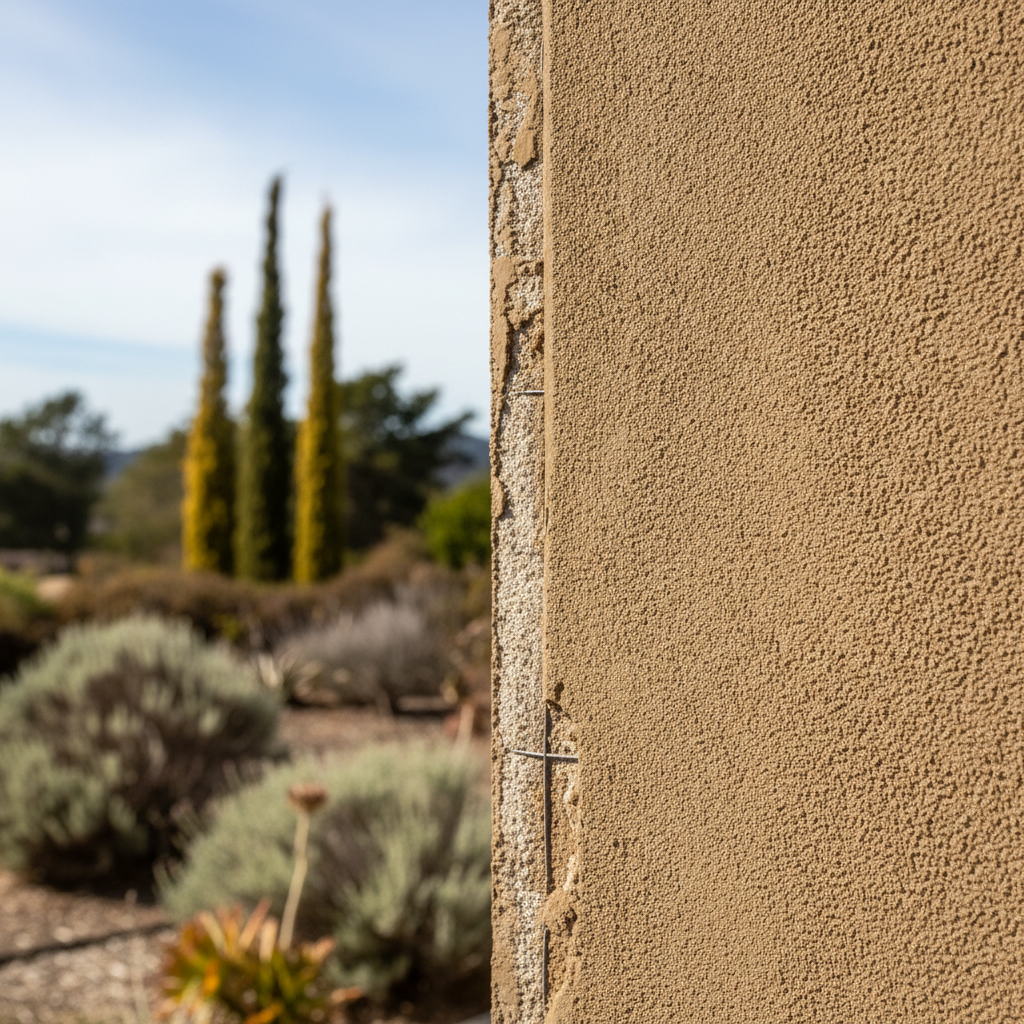
Alright, let's talk stucco removal. I get a lot of calls from folks around Watsonville who are either tired of their old stucco, or they've got problems with it and think ripping it all off is the only answer. Sometimes it is, sometimes it isn't. But when it *is* the right move, you've got questions. I'm here to give you the straight goods, no fluff.
Why would someone even want to remove stucco?
Usually, it boils down to a few things. First, aesthetics. Maybe you've got an older house — say, one of those charming bungalows near the downtown area — and the stucco just looks dated or cracked beyond repair. You want a fresh look, perhaps siding or a different finish. Second, damage. This is a big one. If your stucco's got widespread moisture intrusion, delamination, or just failed completely, sometimes removal is the most cost-effective, most permanent solution. You can patch and repair small areas, sure, but if the whole system's compromised, you're just putting a band-aid on a gushing wound. Third, sometimes it's about making other renovations easier. If you're doing a major remodel, adding an extension, or re-insulating, getting the old stucco off can really simplify the process.
Is stucco removal a DIY job, or do I need a pro?
Look, I'm all for homeowners tackling projects they can handle. But stucco removal? That's usually a job for the pros, especially if you want it done right and safely. It's not just about swinging a hammer, you know. You're dealing with heavy materials, often lead paint or asbestos in older homes (which, by the way, needs specialized handling), and you need to protect your property from dust and debris. Plus, what's underneath? You might find rotten sheathing, damaged framing, or other surprises that need immediate attention. A good crew knows how to contain the mess, protect your landscaping, and properly dispose of the waste. They've also got the right tools to make it efficient.
What's the typical process for stucco removal?
Okay, so you've decided to go for it. Here's how it generally goes down. First, we'll prep the site. That means protecting windows, doors, plants, and anything else you don't want covered in dust and debris. We'll lay down tarps and set up scaffolding if needed. Then comes the actual removal. For traditional stucco, we're usually talking about chisels, hammers, and pry bars to break up the layers. It's physical work. We carefully remove the scratch coat, brown coat, and lath (that's the wire mesh or wood strips underneath). If it's an EIFS system, it's a bit different; that often involves cutting sections and peeling it off. As we go, we're constantly checking the substrate for damage. Once the stucco's off, we clean up the site, removing all debris. Then, you're left with a clean slate for whatever new exterior you've planned.
How long does stucco removal usually take?
That really depends on the size of your house, the type of stucco, and how many layers there are. A small, single-story home might take a few days. A larger, two-story house with complex architectural details could take a week or more. If we hit unexpected issues like extensive wood rot or discover hazardous materials, that can add time too. We always try to give you a realistic timeline upfront, but sometimes you just don't know what you're getting into until you start peeling back those layers.
What are the potential hidden costs or surprises?
This is where experience really counts. The biggest surprise is almost always what's underneath. We often find dry rot, termite damage, or mold on the sheathing or framing. That's not part of the stucco removal cost; that's a separate repair that needs to happen before any new siding goes on. Another potential cost is hazardous material abatement. If your stucco contains asbestos (common in homes built before the late 70s) or lead paint, you'll need specialists to remove it safely and legally. We'll usually do a preliminary inspection for these things, but sometimes you don't know for sure until you're in there. Also, don't forget about waste disposal fees; stucco debris is heavy and needs proper handling.
What should I do with the exposed walls after removal?
You can't just leave your walls exposed to the elements, especially with our Watsonville weather – those foggy mornings and occasional heavy rains will do a number on your sheathing. Once the stucco is off, you'll need to install a new weather-resistive barrier (WRB) as soon as possible. This is typically a house wrap or building paper that protects your home from moisture and air infiltration. After that, you're ready for your new exterior finish, whether that's new stucco, siding, brick, or something else. We at Watsonville Stucco & Plastering can help you figure out the best next steps for your home's protection and aesthetic.
Will removing stucco damage my home's structure?
If it's done correctly, stucco removal shouldn't damage your home's structure. In fact, if the stucco was failing and trapping moisture, removing it can actually prevent further structural damage by allowing the underlying wood to dry out and be repaired. The key is careful, controlled demolition. A good crew knows how to remove the stucco without impacting the studs, sheathing, or other structural components. That's why I always recommend hiring experienced professionals who understand building envelopes and how to work around existing structures. It's a big job, and you want it done right to protect your investment.
What are my options after stucco removal?
Once that old stucco is gone, you've got a blank canvas! Many homeowners choose to install new stucco, often a modern three-coat system or even an EIFS system for better insulation. Others go for different siding materials like fiber cement, wood, or vinyl. You could also consider brick or stone veneer for a completely different look. The choice really depends on your aesthetic preferences, budget, and what works best for your home's architecture. We can talk through all those options with you once we see what we're working with.