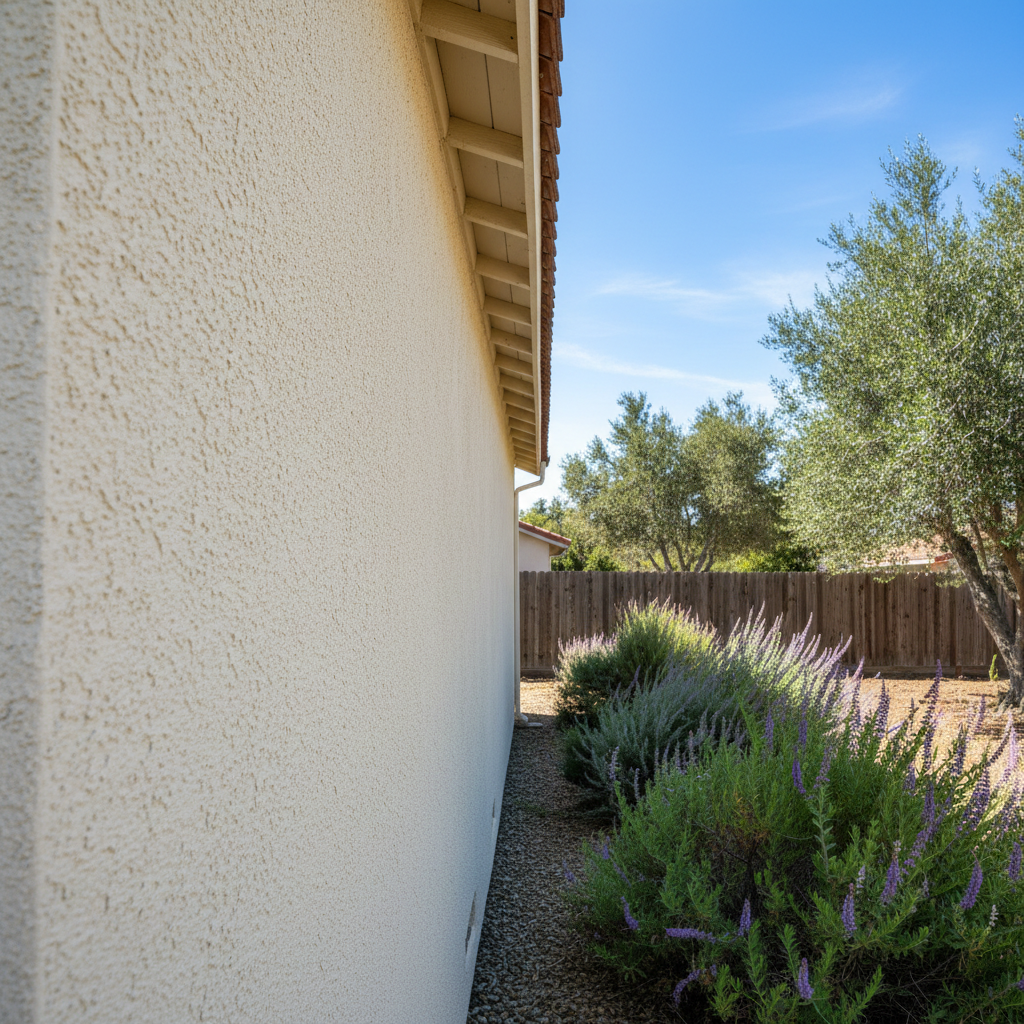
You've got stucco on your house, right? Maybe you just bought the place, or maybe it's been there for decades. Either way, you probably don't think about it much until you see a crack or a stain. But I'm here to tell you, a little regular attention to your stucco can save you a whole lot of headache and money down the road.
We're talking about extending the life of your stucco, keeping your home protected, and spotting trouble before it turns into a major repair. It's not rocket science, but it does take a bit of know-how.
Why Stucco Needs Your Eyes On It
Stucco's tough, I'll give it that. It's a fantastic, durable siding material that's been around for ages for a reason. But even the best stucco isn't invincible, especially not with the way our weather can swing here in Watsonville. We get those foggy mornings, the hot, dry summers, and then the heavy winter rains. That constant expansion and contraction, plus moisture, can take a toll over time.
Your stucco is your home's first line of defense against the elements. If it's compromised, water can get in, and that leads to bigger, more expensive problems like wood rot, mold, and structural damage. You don't want that.
What Regular Maintenance Looks Like
Alright, so what do you actually need to do? It's simpler than you might think. I tell my customers to do a visual check at least once a year, preferably after the rainy season, so you can see any damage that might have occurred. Here's what you're looking for:
- Walk around your house: Get up close, but also step back and look at the whole wall. Look for anything that seems off.
- Clean it up: Stucco can get dirty, especially on the north-facing walls that don't get as much sun. Algae and mildew can grow, particularly in shadier spots or where sprinklers hit the wall regularly. A gentle wash with a soft brush, water, and a mild detergent (like dish soap) can do wonders. Just don't use a high-pressure washer too close, you can damage the finish.
- Check your gutters and downspouts: Make sure they're clean and directing water away from your foundation. Overflowing gutters are a common cause of stucco damage.
- Trim back plants: Any bushes or trees touching your stucco can trap moisture against the wall, cause abrasion, and provide a pathway for insects. Keep 'em trimmed a few inches away.
- Sealants and caulking: Look at all the areas where stucco meets another material – around windows, doors, utility penetrations (like pipes or electrical conduits), and at the foundation line. The caulk or sealant here is critical for keeping water out. If it's cracked, dried out, or pulling away, it needs to be replaced.
Warning Signs You Can't Ignore
This is where you become a detective. These are the red flags that tell you something's wrong and needs attention:
- Cracks: Not all cracks are bad. Hairline cracks are pretty normal with stucco's natural movement. But if you see cracks that are wider than a credit card, or if they're forming a spiderweb pattern, or running horizontally or vertically for long distances, that's a problem. Especially pay attention to cracks around windows and doors – those are often stress points.
- Stains: Dark streaks, especially below windows, vents, or other penetrations, usually mean water is getting in and running down the wall behind the stucco. Green or black stains could be algae or mold, which often indicates persistent moisture.
- Bulges or Soft Spots: Press gently on the stucco in different areas. If it feels soft, spongy, or you see a bulge, that's a strong indicator of water damage and rot underneath. This is serious.
- Efflorescence: This is that white, powdery substance you sometimes see on masonry. It's mineral salts left behind when water evaporates from within the wall. It means water is getting in and moving through the stucco.
- Pest Infestations: Termites, ants, and other pests love damp, dark places. If you see signs of insects around your stucco, it could point to moisture issues.
- Flaking or Peeling Paint/Stucco: If the stucco itself is flaking off, or the paint on it is peeling extensively, it could be a sign of moisture trapped behind it, or just an aging surface that needs attention.
When to Call a Professional
Look, I'm all for DIY, but some things are best left to the pros. You should definitely call someone like us at Watsonville Stucco & Plastering if:
- You see significant cracking: Anything wider than 1/8 inch, or extensive cracking patterns. We can assess if it's just surface repair or something deeper.
- You suspect water intrusion: Those dark stains, soft spots, or efflorescence? Don't mess around with that. Water damage can spread quickly and become incredibly expensive to fix if ignored.
- You're unsure: If you've done your inspection and you're just not sure if something's a big deal or not, get a professional opinion. It's better to be safe than sorry.
- You need sealant replacement around windows/doors: While you can caulk small areas, properly sealing around all your openings is a critical detail, and it's easy to mess up if you don't know what you're doing.
- You're considering a major repair or re-stucco: If your stucco is really showing its age, or you've got widespread issues, a professional assessment is crucial to determine the best course of action.
Taking a little time to inspect your stucco regularly is one of the smartest things you can do for your home. It helps you catch small problems before they become big ones, protects your investment, and keeps your house looking sharp. Don't wait until you've got a major leak to pay attention to your walls.