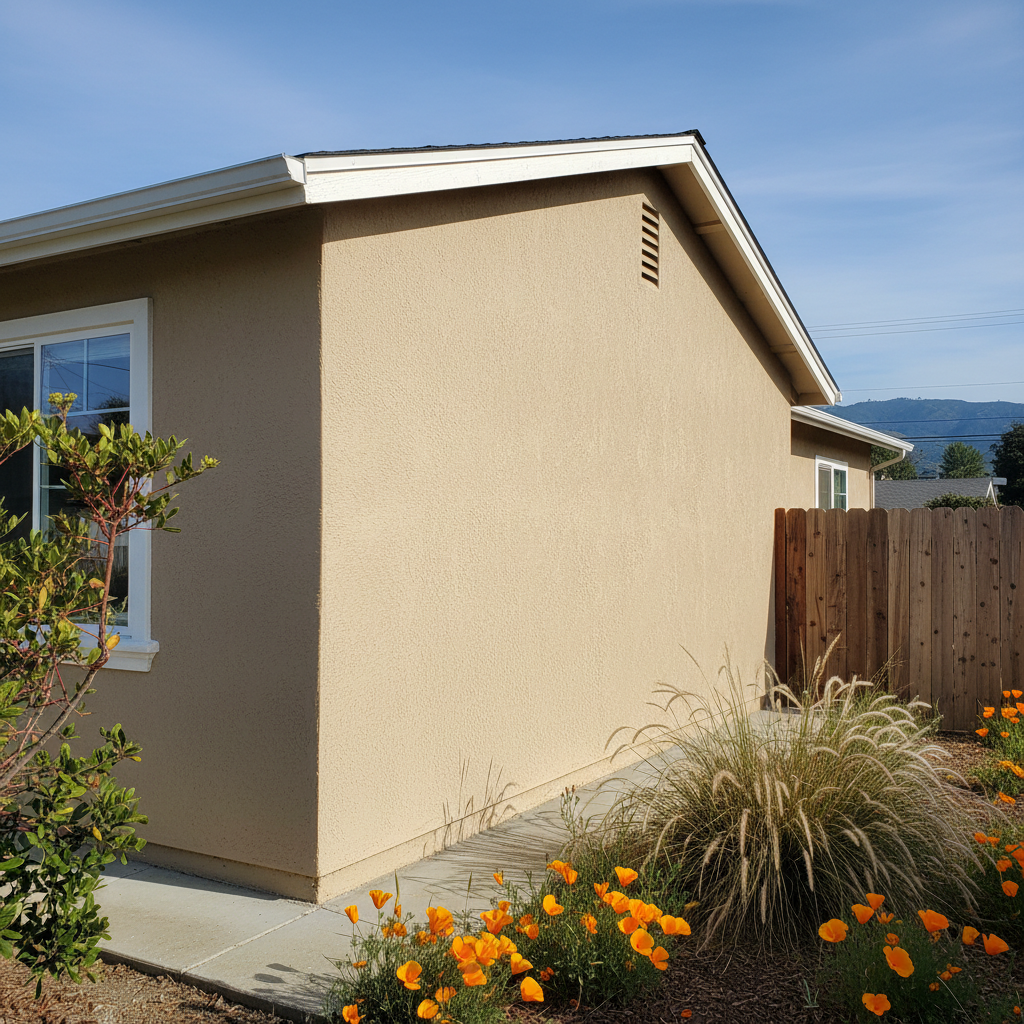
So, you need a stucco inspection, and naturally, you're wondering what it's going to cost. That's a fair question, and honestly, I get asked it all the time. I'm not going to dance around it or just say "it depends" without giving you some actual numbers. Let's talk about what you can really expect to pay for a solid stucco inspection right here in Watsonville.
What Makes Stucco Inspection Costs Go Up or Down?
A few key things really change the price when you're getting your stucco checked out. It's not just one price for every single house, you know?
- How Big Your Home Is: This is probably the biggest thing. A smaller 1,200 sq ft bungalow over in Pajaro will definitely cost less to inspect than a big 3,500 sq ft two-story place up near Corralitos. More square footage just means more time, more ladders, and more areas for us to look at.
- What Kind of Inspection You Need: Are you just looking for a basic visual check, or do you need a full-on, invasive moisture inspection with probes? A simple visual check is cheaper, sure, but it won't tell you if there's hidden water damage behind your walls. Invasive inspections are way more thorough, but they're also more complicated and take longer.
- How Easy It Is to Get Around: If your home has a complex design, multiple stories, or spots that are just tough to reach (like stucco hidden behind thick landscaping or tricky rooflines), it'll take more time. We might even need special equipment, and that adds to the cost.
- The Inspector's Experience and Certifications: Just like with any skilled trade, you're paying for expertise. A highly certified and experienced stucco inspector — especially one who really knows their stuff about building envelope forensics — will charge more than a general home inspector who just adds stucco to their list. They know exactly what to look for, and they've got the right tools and training to actually find it.
- How Far We Have to Travel: We're local, but if you're way out in some of the more rural parts of Santa Cruz County, a contractor might add a small travel fee. Within Watsonville itself, that's usually not an issue.
Typical Prices You'll See
Alright, let's get to some actual numbers. Remember, these are ranges, and we'll give you a firm quote once we understand your specific situation.
- Basic Visual Inspection (Non-Invasive): For a typical single-story home (say, 1,500-2,500 sq ft), you're probably looking at somewhere between $300 and $600. This is a good choice if you're just doing a routine check-up or have a few small, visible worries. The inspector will walk around, checking for cracks, efflorescence, stains, proper flashing, and the stucco's overall condition. They'll use binoculars for higher areas and might tap the stucco to listen for hollow spots.
- Comprehensive Visual Inspection with Limited Tools: For a slightly bigger or more complex home (2,500-3,500 sq ft), this might cost you $500 to $900. This includes everything from the basic visual, but the inspector might also use a moisture meter on accessible areas (like around windows or at the bottom of walls) where they suspect issues, all without actually poking holes in the stucco.
- Invasive Moisture Inspection (Probe Testing): This is the most thorough option, and yep, it's also the most expensive. For a standard home, expect to pay anywhere from $800 to $1,800. For very large or super complex homes, it can go even higher, sometimes over $2,500. This kind of inspection involves drilling small holes (usually 3/16" or 1/4") into the stucco at specific spots to measure moisture levels behind the finish. We then seal these holes right back up. It's really the only way to confirm hidden water problems.
These are just averages, though. Always get a detailed quote.
What Should Your Stucco Inspection Quote Cover?
When you get a quote from Watsonville Stucco & Plastering, or any other reputable inspector for that matter, make sure it clearly spells out what you're actually getting:
- Scope of Work: Does it cover all the stucco on your home's exterior? What kind of inspection is it — visual, invasive?
- Tools They'll Use: Will they be using moisture meters, infrared cameras (for non-invasive thermal imaging), or probes?
- The Report: You should get a detailed written report, not just someone talking you through it. This report should include what they found, photos of any problem areas, and suggestions for repairs or what to do next. It's super important for insurance claims or when you're selling your house.
- Repairing Probe Holes: If it's an invasive inspection, confirm they'll properly patch and seal all those little probe holes.
- Timeline: How long will the inspection take, and when can you expect to see the report?
How to Avoid Paying Too Much for Your Stucco Inspection
Nobody wants to just throw money away, right? Here's how to be smart about it:
- Get a Few Quotes: This is just standard practice for any home service. Don't just go with the first person you call. Get at least two or three detailed quotes.
- Understand What You're Getting: Make sure you're comparing apples to apples. A really cheap quote might be for a super basic visual inspection, while a higher one includes invasive testing and a full report. Know what you actually need.
- Ask About Certifications: A certified stucco inspector (like those with EDI or MoistureFree Warranty certifications) has specialized training. It's usually worth paying a little extra for that kind of expertise.
- Be Ready: Clear away anything blocking your foundation or walls (like dense bushes or stored items) before the inspector shows up. This saves them time, and it can save you money.
- Don't Be Afraid to Ask Questions: If something in the quote isn't clear, just ask. A good inspector will be happy to explain their process and how they price things.
Think of an inspection as an investment in how long your home will last. Don't cheap out on it, but don't overpay either. Do your homework, ask the right questions, and you'll get a fair price for a thorough job.