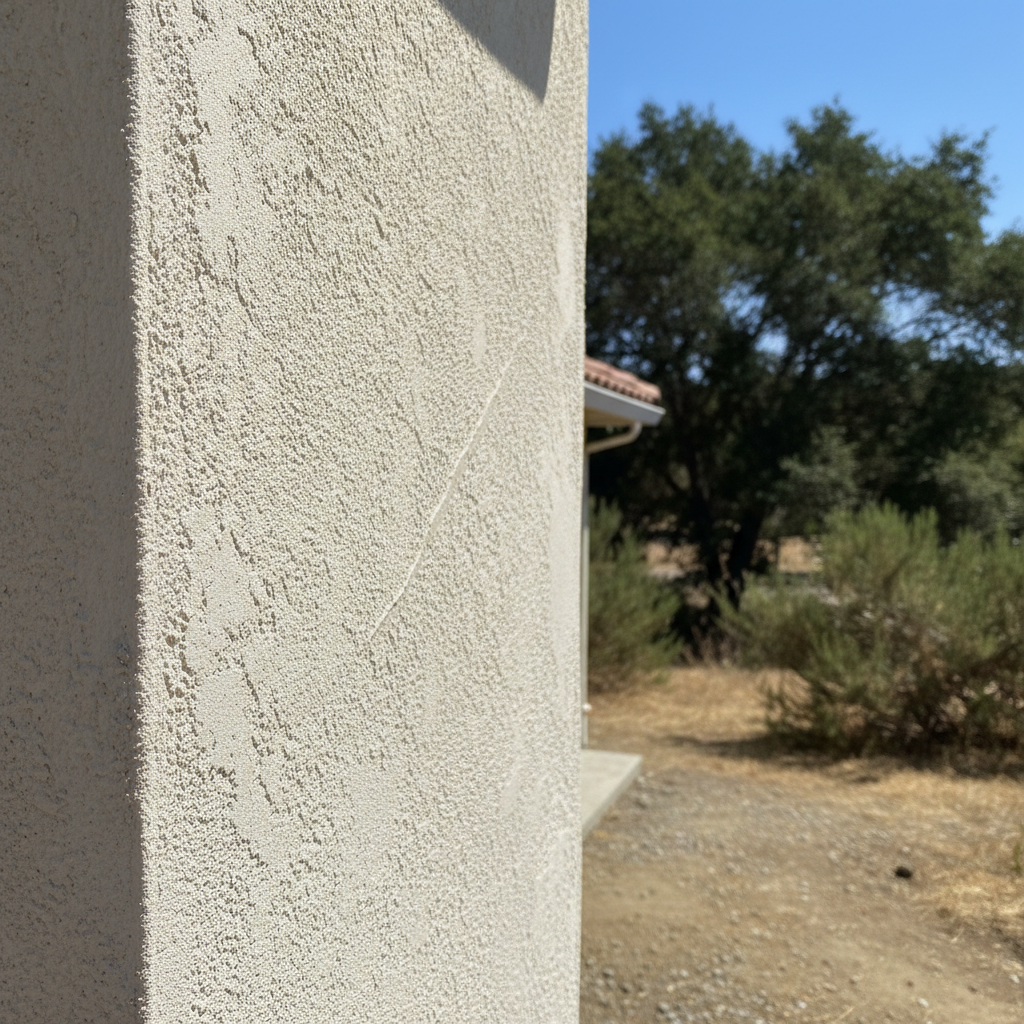
Thinking of Painting Your Stucco? Here's What You Need to Know.
So, you're looking at your stucco home and thinking it needs a fresh coat of paint. Maybe the color's faded, or you're just ready for a change. Painting stucco isn't like painting drywall inside your house. There are specific things you need to know and do to make sure it looks good and, more importantly, protects your home for years to come.
I've seen a lot of stucco jobs around Watsonville, good and bad. Some folks jump right into painting without doing the prep work, and it shows. Don't be that homeowner. Let's break down what you can realistically do yourself and when you absolutely should call in a professional.
Before You Even Think About Paint: Prep is King
This is where most DIY stucco painting projects go wrong. You can't just slap new paint over old, dirty, or damaged stucco. You'll regret it, trust me.
- Inspect for Damage: Walk around your whole house. Look for cracks, crumbling stucco, or areas where the stucco might be delaminating (peeling away from the wall). Even small hairline cracks need attention. If you see significant damage, large cracks, or soft spots, stop right there. Painting over these issues won't fix them; it'll just hide them temporarily, and the problem will get worse. This is a big red flag that you probably need a stucco repair specialist before any painting happens.
- Clean, Clean, Clean: Stucco is porous, and it collects dirt, mildew, and grime like crazy, especially on the north-facing sides of homes here in Watsonville that don't get as much sun. You'll need to power wash the entire surface. Use a mild detergent designed for exterior cleaning, and be careful with the pressure washer. Too much pressure can damage the stucco itself, especially if it's older or already a bit compromised. Start with a lower PSI and work your way up. Let it dry completely – and I mean completely – for at least 2-3 days, maybe more if it's been foggy or damp.
- Repair Small Cracks: If you found only minor hairline cracks (think thinner than a credit card), you can usually patch these yourself. Use an elastomeric stucco patch or sealant. It's flexible, so it'll move with the stucco and prevent the crack from reopening. Don't use regular caulk; it won't hold up. For anything larger or if you're unsure, call us at Watsonville Stucco & Plastering. We're happy to take a look.
- Masking and Protecting: Just like any painting job, you'll need to protect windows, doors, light fixtures, and anything you don't want painted. Use good quality painter's tape and plastic sheeting. Don't skimp here; overspray is a pain to clean up.
Choosing the Right Paint & Tools
This isn't a job for cheap interior paint. Stucco needs specific types of paint that can handle the elements and its unique texture.
- Elastomeric Paint: This is often the best choice for stucco. It's thick, flexible, and bridges hairline cracks. It's also incredibly durable and waterproof, which is exactly what you want for exterior stucco. It's more expensive, but it's worth the investment.
- Acrylic Latex Paint: A good quality 100% acrylic latex exterior paint can also work, especially if your stucco is in excellent condition and you've addressed all cracks. Make sure it's specifically designed for masonry or stucco. Avoid oil-based paints; they don't breathe well and can trap moisture.
- Primer: If you're going from a dark color to a light one, or if your stucco is unpainted or heavily patched, a good quality masonry primer is essential. It helps with adhesion and ensures a uniform finish.
- Application: You'll likely need a roller with a thick nap (3/4-inch or 1-inch) to get into all the stucco's nooks and crannies. A sprayer is much faster and provides a more even finish, but it requires more masking and practice to use effectively without drips or runs. If you're not experienced with a sprayer, you might want to stick to rollers and brushes.
During the Project: Take Your Time
Once you've prepped and got your materials, the actual painting can begin. Work in sections, and don't try to rush it. Apply two thin coats rather than one thick one. This gives you better coverage and adhesion. Pay attention to the weather; avoid painting in direct, scorching sun or when rain is expected. The mild, often overcast mornings we get here in Watsonville can be perfect for starting a painting project.
After the Paint Dries: Maintenance
Once your stucco is painted, keep an eye on it. Periodically wash it down to remove dirt and mildew. Inspect it every year or so for new cracks or signs of wear. A well-painted stucco home can look great and protect your investment for 10-15 years, sometimes even longer, if you do the job right and maintain it.
When to Call a Pro
Look, I'm all for homeowners tackling projects they can handle. But there are times when it's just smarter, safer, and more cost-effective in the long run to call in the experts. Here's when:
- Extensive Stucco Damage: Large cracks, crumbling sections, or soft spots indicate underlying issues that paint won't fix. You need a stucco repair specialist.
- Water Intrusion Issues: If you've got leaks or moisture problems behind your stucco, painting won't solve it. It could even trap moisture, leading to bigger problems like rot or mold.
- High or Difficult-to-Reach Areas: If your home is two stories or more, or has complex architectural features, working on ladders and scaffolding can be dangerous. Pros have the right equipment and experience to do it safely.
- Lead Paint or Asbestos Concerns: If your home was built before 1978, there's a chance of lead paint. If it's older, there could be asbestos in the stucco itself. Don't mess with these; call a professional for testing and safe removal.
- You Just Don't Have the Time or Patience: Stucco painting is a big job. It's time-consuming and labor-intensive. If you'd rather spend your weekends enjoying our beautiful Central Coast, hiring a professional is a great option.
A good paint job on stucco protects your home and boosts its curb appeal. Do your homework, do the prep, and know your limits. You'll be glad you did.