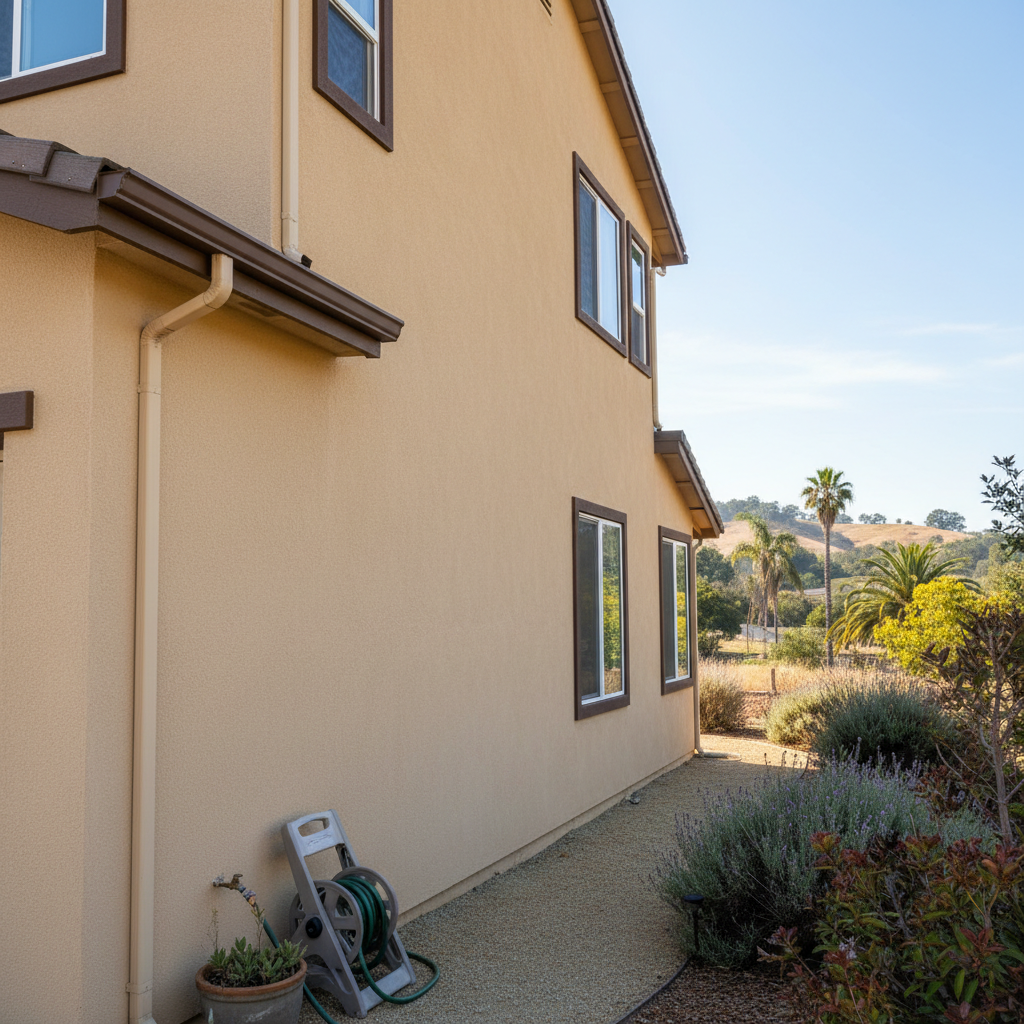
You're looking at your home's stucco, and it's seen better days. Maybe it's cracked, faded, or just looks tired. A redash can really bring it back to life, make it look fresh, and protect your investment. But man, I've seen some homeowners in Watsonville make big mistakes when they're planning or hiring for this kind of work, and it usually ends up costing them more money and a lot of headaches.
Mistake #1: Thinking All Stucco is the Same
This is a big one. You might just see 'stucco' and think it's all the same stuff, just a coat of cement. But there are different types, and how your existing stucco was applied makes a huge difference in how a redash should be done. Is it a traditional three-coat system? Is it a one-coat? Is there a drainage plane behind it? If you've got an older home, especially those built in the 50s or 60s around the Beach Road area, you might have a different substrate or original stucco mix that needs specific prep. A contractor who doesn't even ask about your existing stucco or just assumes it's all the same is a huge red flag.
Mistake #2: Focusing Only on the Lowest Bid
I get it, everyone wants a good deal. But when it comes to stucco, the lowest bid is often the most expensive in the long run. Why? Because cutting corners on prep work, using cheap materials, or rushing the job will show up later. You'll get cracks, water intrusion, or a finish that just doesn't last. A good redash isn't just slapping on new material; it's about proper cleaning, repairing existing damage, ensuring good adhesion, and applying it correctly. If a bid seems too good to be true, it probably is. Ask for a detailed breakdown of materials and labor. Don't be afraid to compare apples to apples.
Mistake #3: Not Checking References or Licensing
This should be a no-brainer, but you'd be surprised how many people skip it. Always, always, always check a contractor's license with the CSLB (Contractors State License Board). Make sure it's active and for the right classification (C-35 for plastering/stucco). Ask for references, and actually call them. Drive by some of their past jobs if you can. A good contractor, like us at Watsonville Stucco & Plastering, will be proud to show off their work and provide references. If they hem and haw, or say they don't have any, walk away. You're inviting trouble if you don't do your homework.
Mistake #4: Ignoring the Details of the Contract
A handshake might feel old-school and trustworthy, but for a job this big, you need everything in writing. What kind of stucco material will they use? What color? How many coats? What's the timeline? What's the payment schedule? What about clean-up and disposal? What kind of warranty do they offer? If it's not in the contract, it's not guaranteed. Don't assume anything. Read every line, ask questions, and make sure you understand it all before you sign. This protects both you and the contractor.
Mistake #5: Not Understanding the Prep Work Involved
A redash isn't just a cosmetic fix; it's structural. The quality of the redash depends heavily on the prep work. This means properly cleaning the existing surface, repairing any cracks or damage, making sure the substrate is sound, and sometimes even applying a bonding agent. Some contractors will skip or skimp on this to save time and money. But if the prep isn't done right, the new stucco won't adhere properly, and you'll be dealing with peeling, cracking, or delamination in a few years. Ask your contractor to explain their prep process in detail. If they can't, or it sounds too simple, that's a problem.
Mistake #6: Not Planning for Weather
We get some interesting weather swings here in Watsonville, especially near the coast. You don't want a stucco job done during heavy rain or when it's too cold, or even too hot and windy. These conditions can affect the curing process and the final integrity of the stucco. A good contractor will factor this into their schedule and won't try to rush a job in bad weather. Talk about their plan for weather delays and how that might impact the timeline.
Look, getting your stucco redashed is a significant investment in your home. Taking a little extra time upfront to avoid these common mistakes can save you a lot of grief and money down the road. Do your research, ask the right questions, and don't settle for less than a quality job.